Checkgrow art briefings: How South American artists build context fast without losing craft
See how South American artists use Checkgrow art briefings to generate context, run multi-brand campaigns, and share creatives to Notion for approval.

Words by
Bruno Mucheroni
See how South American artists use Checkgrow art briefings to generate context, run multi-brand campaigns, and share creatives to Notion for approval.
South American teams move fast. Deadlines are tight, partners are many, and the work often sits at the intersection of global brand rules and local culture. In that reality, Checkgrow art briefings have become a practical way for artists and Art Directors to generate the context behind the work, not just the work itself.
This matters because most creative friction does not come from a lack of ideas. It comes from missing context. What is the campaign trying to change? Which brand rules are non-negotiable? What is the tone? What is the timeline? What has already been tested? When those answers live across chats, slides, email threads, and someone’s memory, the team ends up doing the same thinking twice.
Checkgrow art briefings are being used by South American artists to pull that context into one place, then turn it into briefing language that creatives can actually use. The output is not a generic prompt. It is a working document that fits the way Art Directors run creative SOPs and manage multiple brands at the same time.
Why context is the real bottleneck in South American creative production
If you are running campaigns across several brands in the same category, you already know the pattern.
One brand wants “premium minimal”. Another wants “street energy”. A third wants “festival-first”. The production team can execute all of that, but only if the briefing is clean and consistent. When it is not, you get:
Rework because the first round was based on assumptions.
Endless micro-edits because nobody agreed on the tone.
Lost time because the team has to ask the same questions again.
Risky approvals because partners are reacting to visuals without the strategic intent attached.
In South America, there is an extra layer. Local nuance is not optional. You can follow a global brand book perfectly and still land wrong locally if the context is thin. That is why the briefing stage is where strong teams protect the work.
Checkgrow art briefings are used here as a context engine. Not as a replacement for taste or judgement, but as a way to stop wasting senior creative time on gathering, rewriting, and reformatting information.
How South American artists are using Checkgrow art briefings day to day
The common workflow looks like this.
First, the Art Director or creative lead sets up the working context: The campaign goal, brand tone, constraints, and what “good” looks like. Checkgrow’s AI Assistant is used because it is built around marketing and creative brainstorms, and it connects to creative SOP thinking rather than treating every request like a blank page.
Then the team generates briefing context in a format that is usable across disciplines. Not just for visual designers, but also for copy, motion, social, and production. The point is to get to alignment early.
Finally, after the creatives are generated and shaped, teams send the output to their existing workflow, often a Notion database, so the rest of the team can approve or follow up.
That last step is where a lot of teams feel relief. The briefing stops being a fragile document that lives in one person’s laptop. It becomes trackable work.
Checkgrow art briefings for multi-brand campaigns in the same space
A lot of South American studios and in-house teams are not working on one brand at a time. They might be handling multiple brands in the same category, with overlapping audiences and similar channels.
That is where Checkgrow art briefings are used to keep separation and clarity.
Instead of mixing tone-of-voice rules, creative references, and campaign objectives between clients, teams keep each business context organised in the same place. That makes it easier to switch between brands without carrying over the wrong assumptions.
The practical consequence is fewer “this feels off-brand” comments late in the process, because the brand logic was present from the start.
The difference between ChatGPT and Checkgrow in this specific use case
Teams often ask a fair question: Why not just use ChatGPT for briefings?
ChatGPT can help with writing, summarising, and ideation. But South American Art Directors using Checkgrow are usually trying to solve a different problem: Operational consistency across campaigns and brands.
Here is the difference in the way teams describe it in practice.
Checkgrow is focused on marketing and creative brainstorm context, not just text generation. The goal is to feed the right context into the model so the output matches how campaigns are actually planned.
You can flip between Gemini or OpenAI at any time. That matters when a team wants to compare outputs, or when different tasks perform better on different models.
You can manage multiple businesses in the same place. For agencies and multi-brand groups, this is not a nice-to-have. It is the difference between a repeatable system and a folder full of one-off prompts.
So the choice is not “ChatGPT versus Checkgrow” as if they do the same job. The way teams use it, ChatGPT is a general tool. Checkgrow is the system that holds the campaign context and creative SOP structure, and then routes that context into whichever LLM you want to use.
Checkgrow art briefings reduce rework because they stay on-brand
One of the most expensive parts of creative delivery is not execution. It is correction.
The file context puts it plainly: “Brand tone slips, and edits never end.” That is a real operational cost. It slows down production and burns senior review time.
Checkgrow addresses that by training AI Agents on your voice, vocabulary, and values, so the writing stays consistent. For art briefings, that shows up as fewer rounds of “this is not us” feedback, because the brief itself already speaks in the brand’s language.
This is not about making everything sound the same. It is about reducing avoidable drift when you are producing at speed.
Using Checkgrow art briefings to turn brainstorming into a repeatable SOP
Most teams do not struggle to brainstorm once. They struggle to brainstorm every week, across multiple brands, without losing coherence.
The file context captures the pain: “Brainstorms take time. SEO research takes even more.” Even if your briefing is not SEO content, the operational truth is the same. Research and ideation are heavy, and they get heavier when you add approvals.
In practice, South American Art Directors use Checkgrow art briefings to:
Start from a consistent briefing template aligned to their creative SOP.
Generate campaign angles and writing brainstorm material that is already grounded in the brand logic.
Produce variations quickly for stakeholder review without rewriting the whole brief.
This is where the system approach matters. The team is not trying to automate creativity. They are trying to automate the admin around creativity.
From briefing to approval without losing the thread
A briefing only helps if it survives contact with the rest of the organisation.
Once the creative direction is clear, teams need a place where:
The latest version is obvious.
Comments do not get lost.
Approvals are visible.
Follow-ups are assigned.
Checkgrow art briefings fit into that reality by letting teams send generated creatives and briefing outputs to integrations like a Notion database, or another platform the team already uses.
The benefit is not the integration itself. It is the continuity. The context travels with the work, so reviewers are reacting to the right intent, not guessing.
A São Paulo reference point: Gabriel Hernandes and a decade of work
To make this less abstract, it helps to look at a real reference.
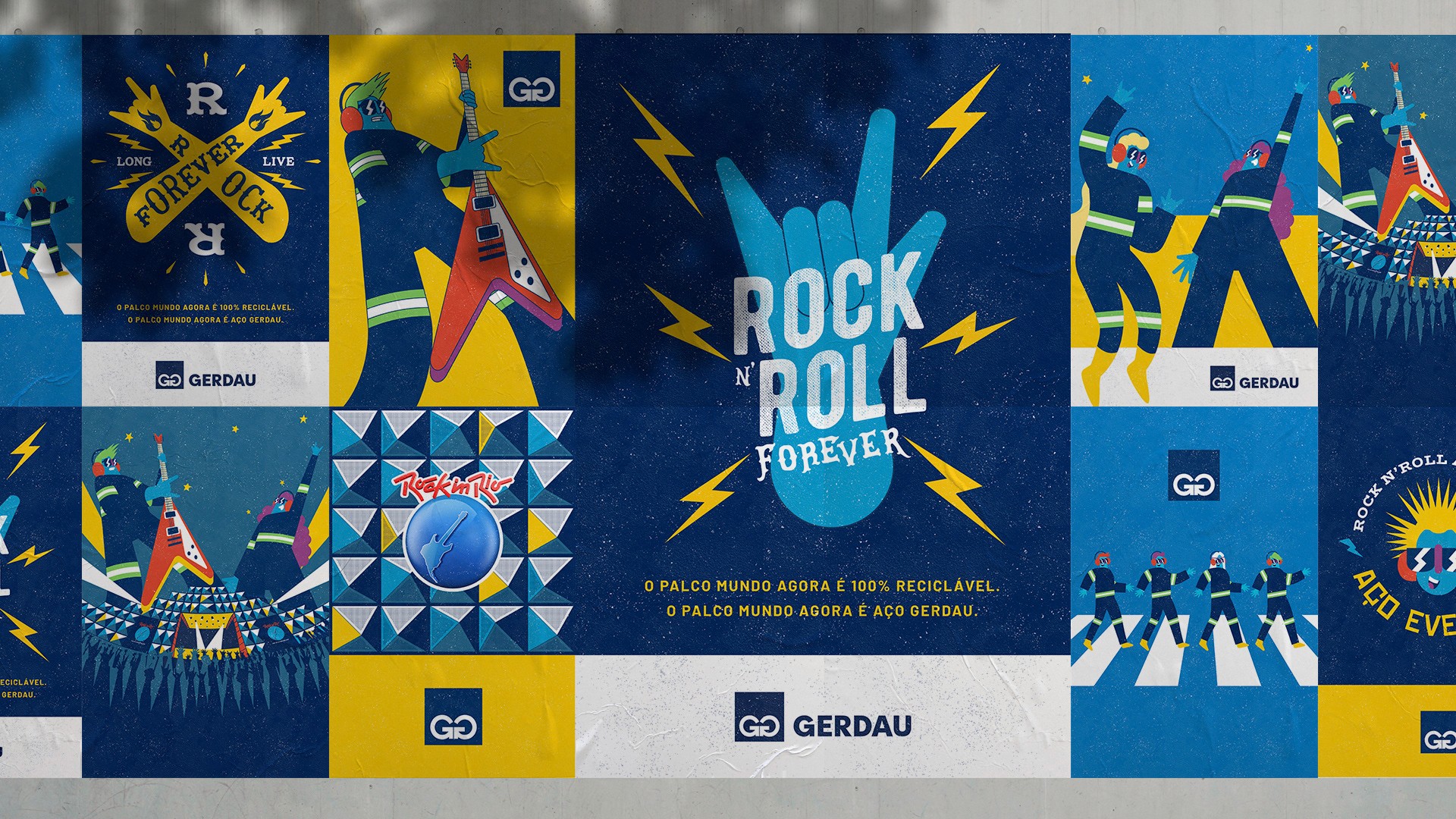
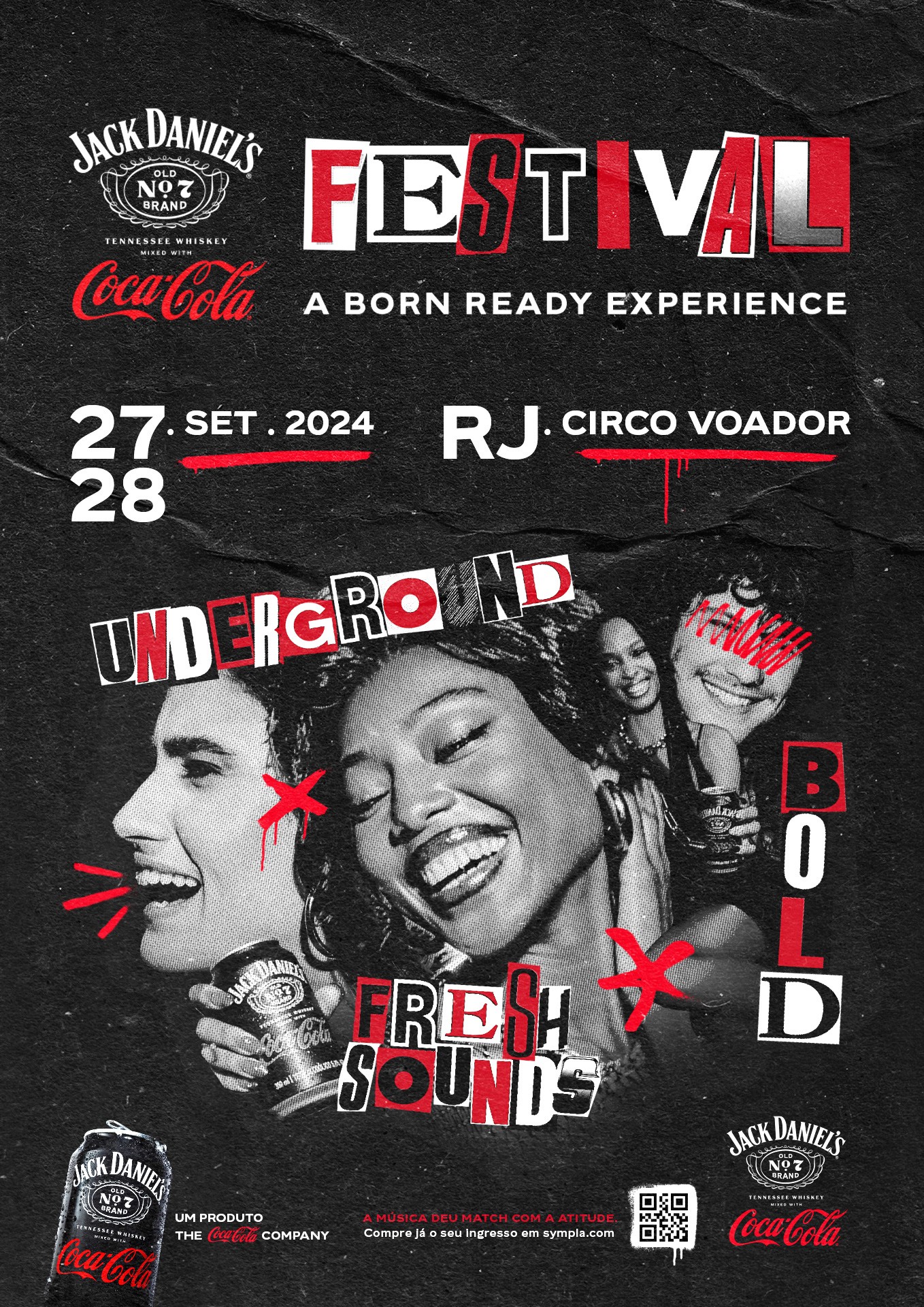
This article includes a large reference of work done by Gabriel Hernandes, Checkgrow’s Art Director based in São Paulo, Brazil. Checkgrow has worked with Gabriel for the past 10 years.
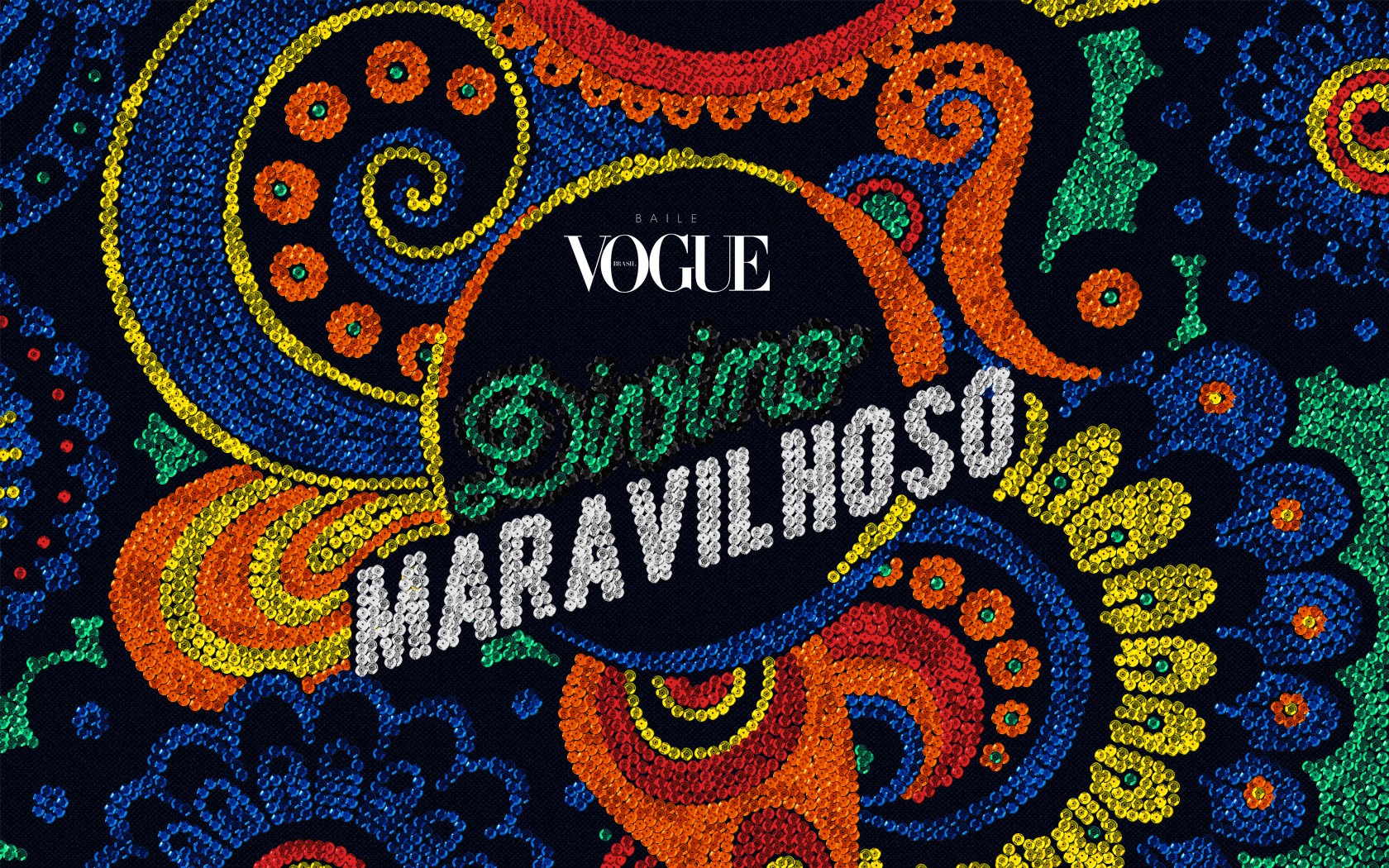
His portfolio spans large companies and events including Budwaiser, Lollapalooza, Adidas, Corona, and Sephora. The point of sharing this work is not to name-drop.
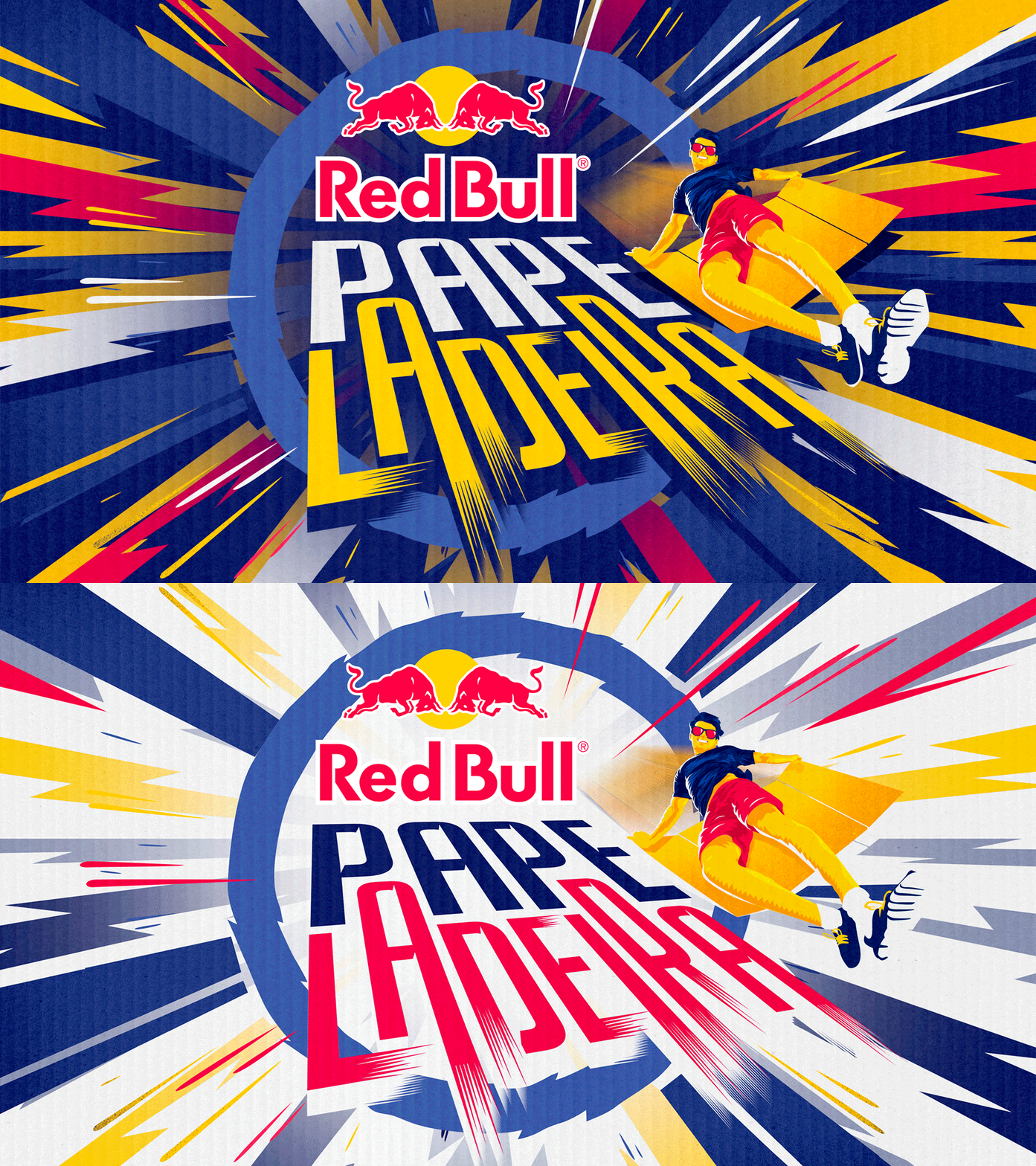
It is to show what “briefing context done well” supports in the real world: High-stakes campaigns where the margin for misalignment is basically zero.
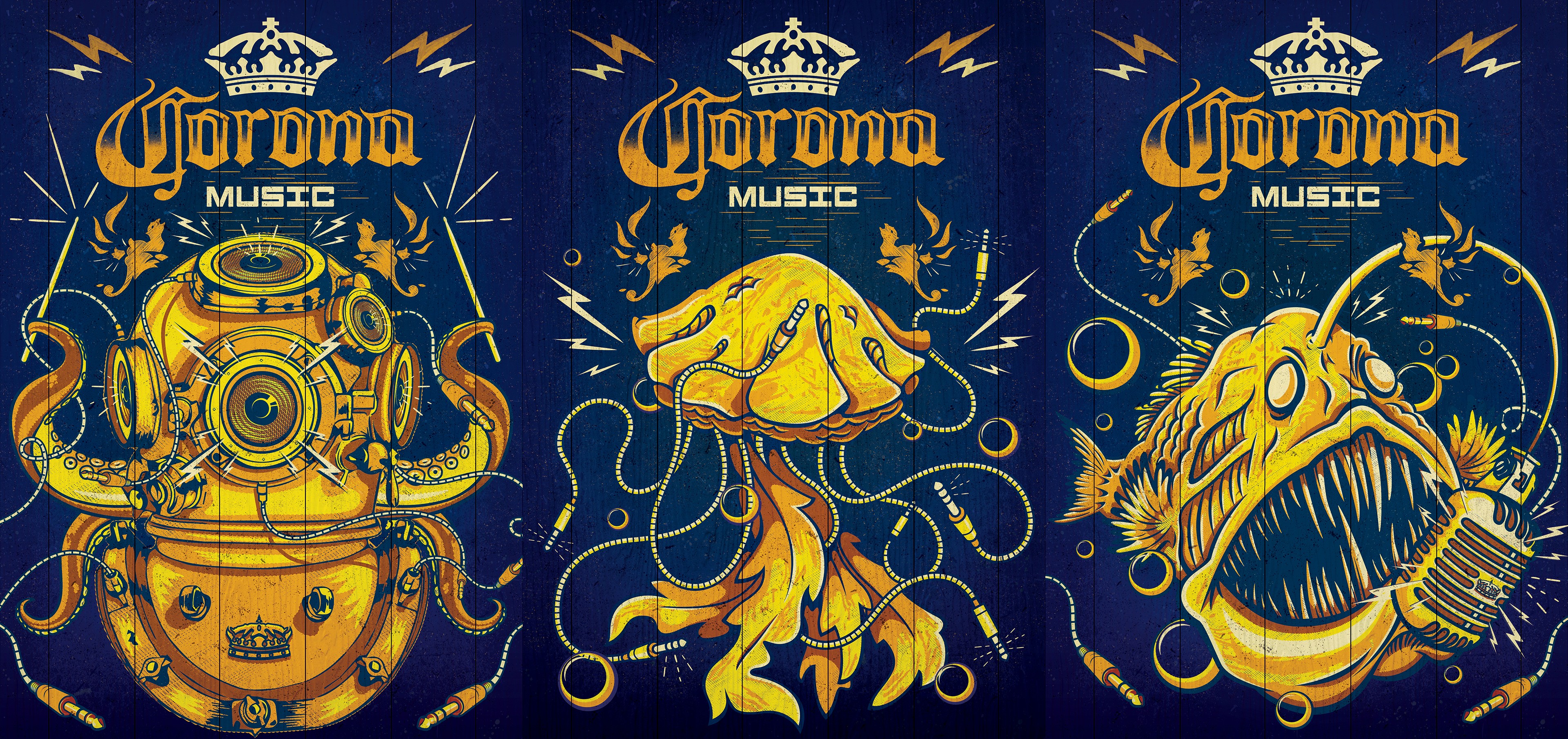
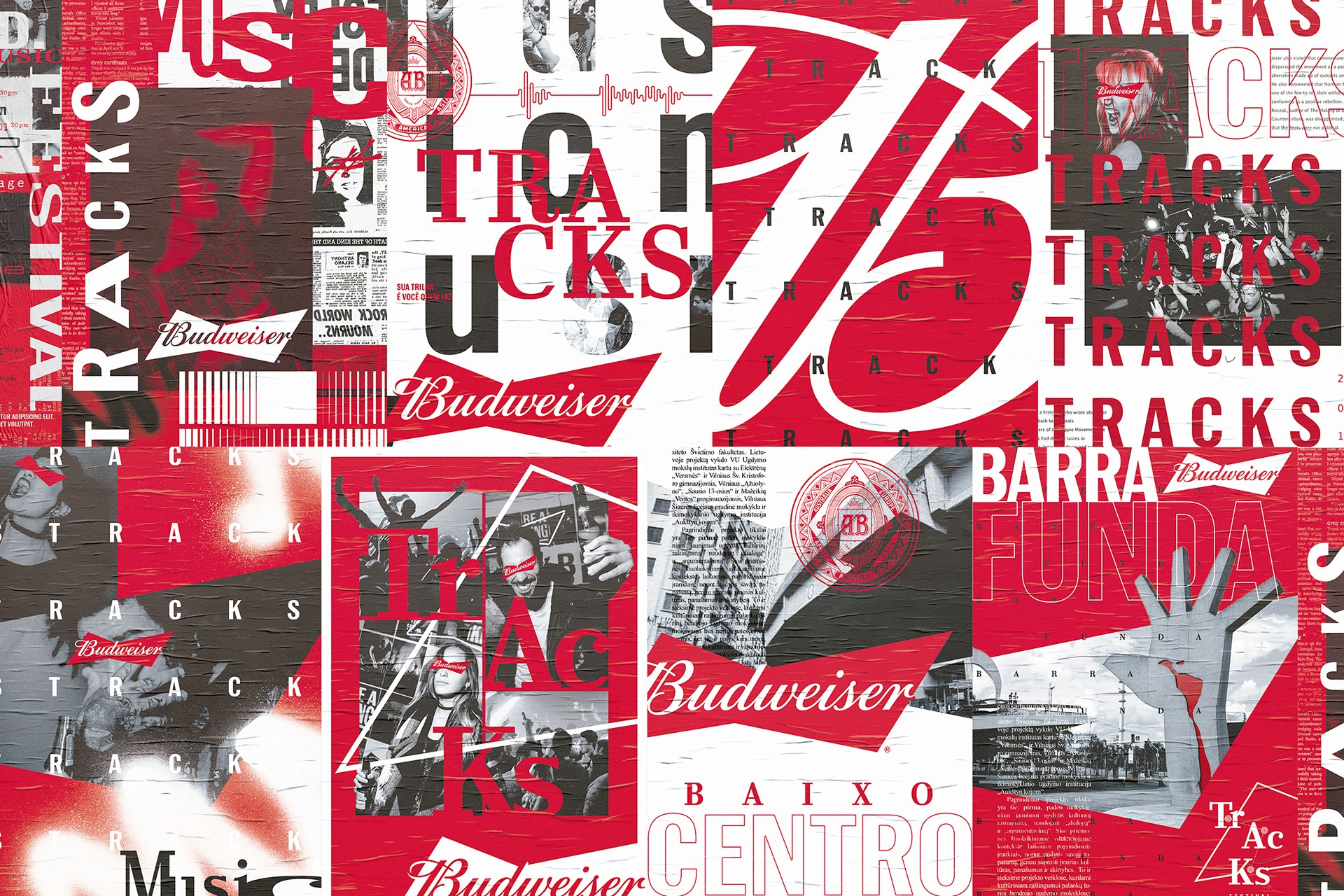
When you are working at that level, the briefing is not a formality. It is part of the craft. It protects the idea as it moves through partners, production constraints, and channel requirements.
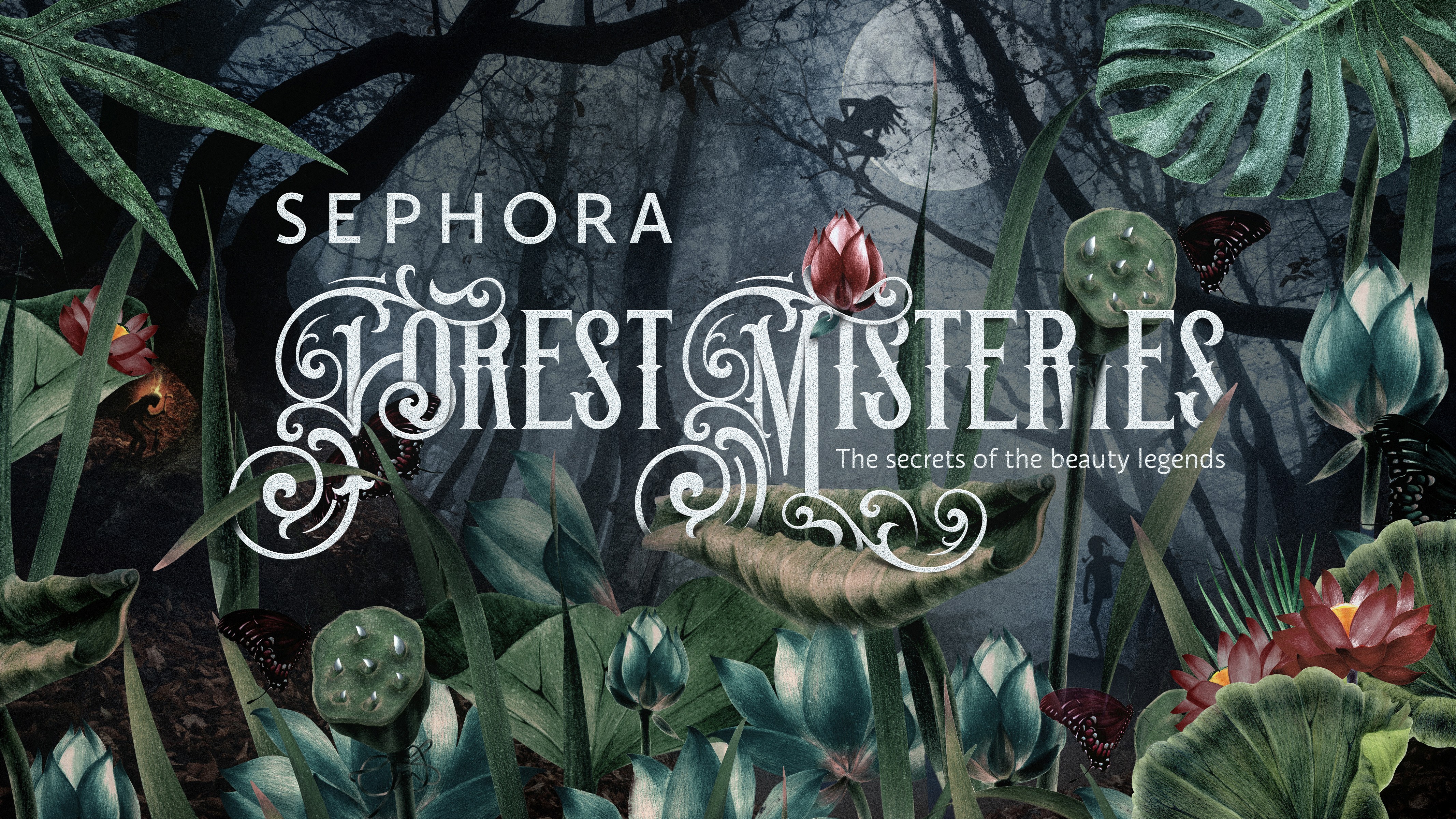
In the portfolio section below, you will see the range of outputs and the consistency of execution across very different brand worlds. That is exactly the kind of environment where Checkgrow art briefings are being used: Not to generate the final look, but to keep the strategic and creative context intact from first thought to final delivery.

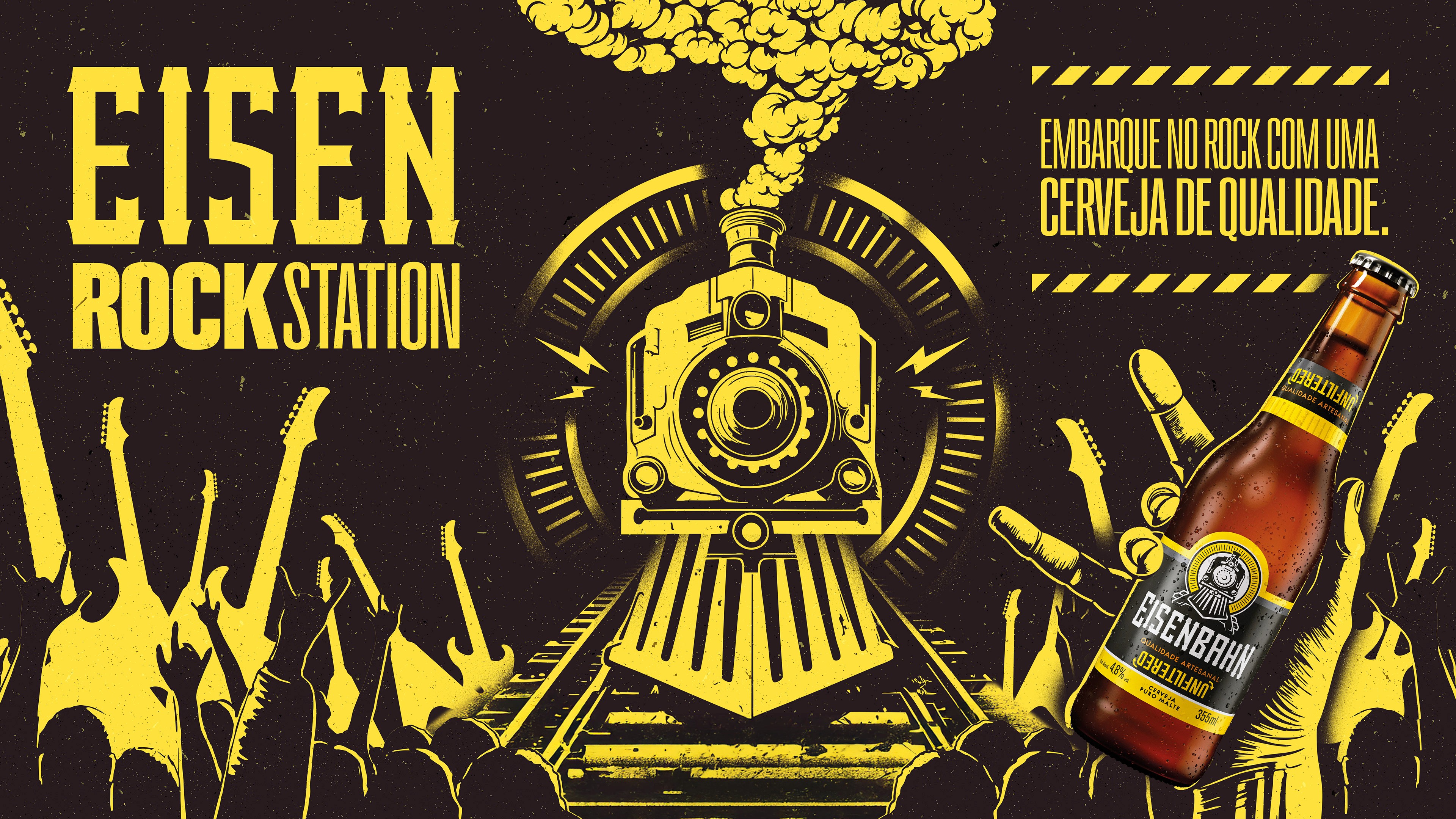
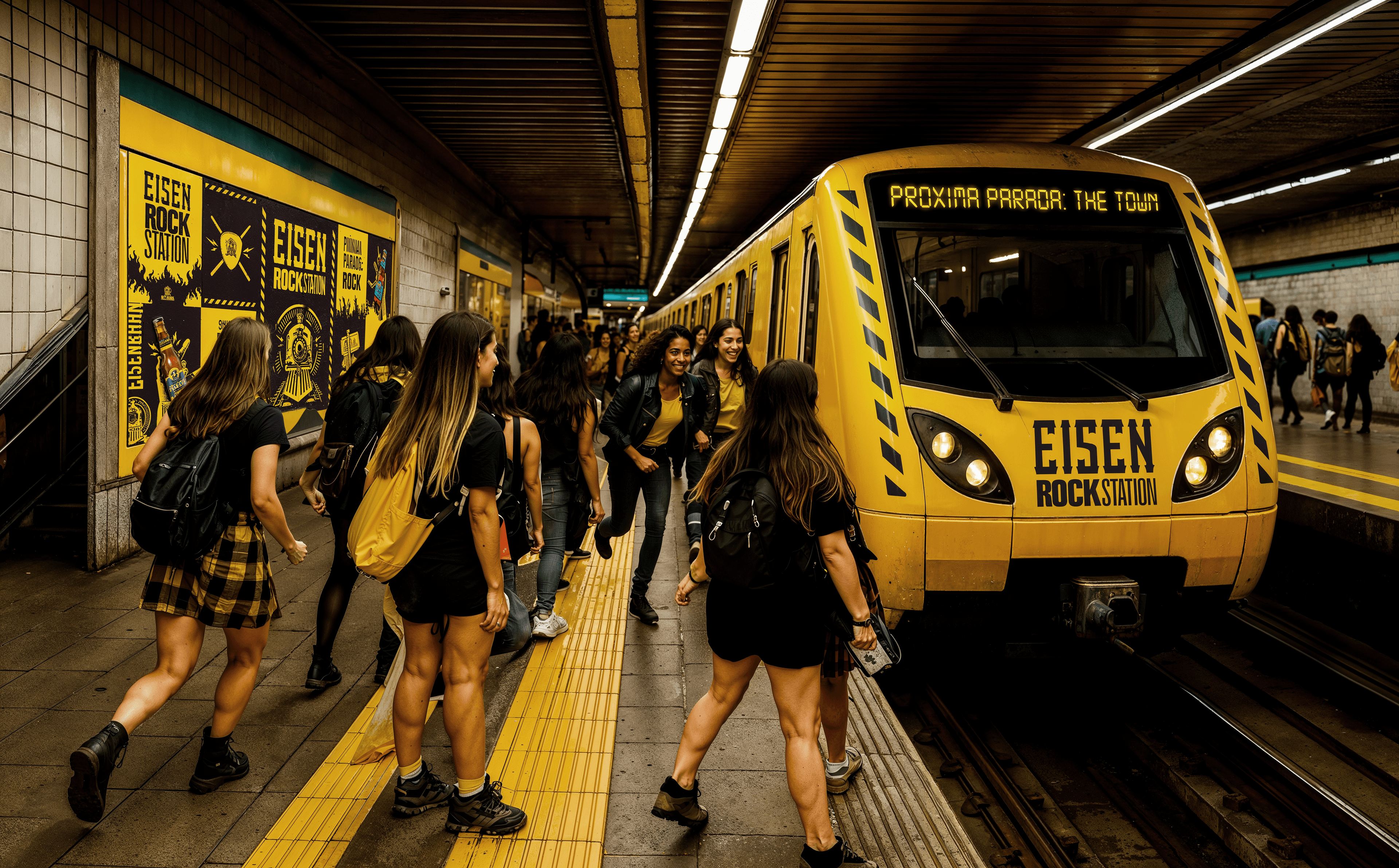
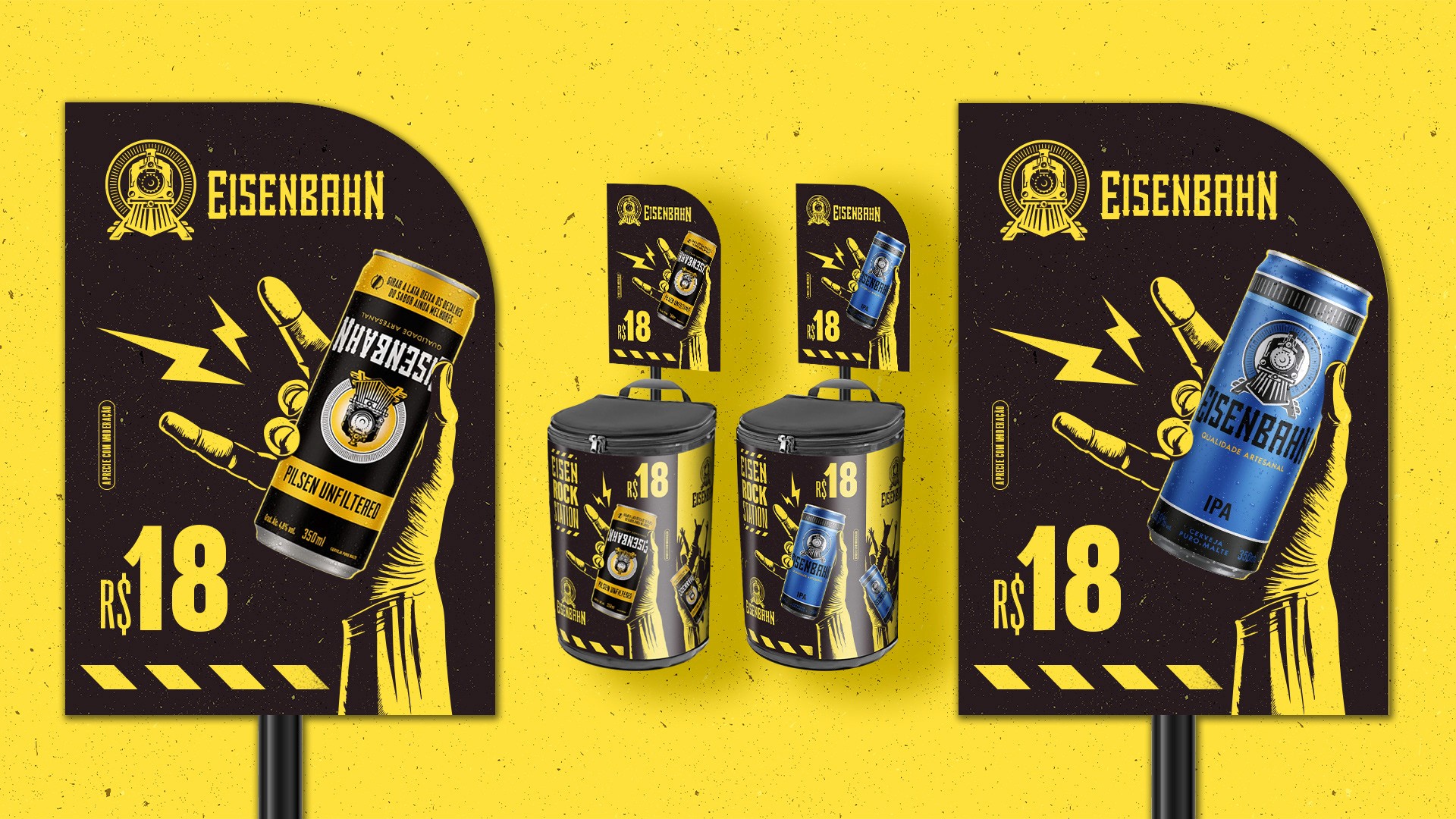
Checkgrow art briefings as a shared language between art and growth
Checkgrow sits in growth marketing and AI, which is useful here because many creative teams are expected to speak performance as well as aesthetics.
The moment you are working with growth teams, you need briefs that connect creative decisions to campaign intent. Not in a “metrics lecture” way, but in a way that makes it easier to answer:
What are we trying to get the audience to do?
What is the message hierarchy?
What needs to be consistent across placements?
Where do we want variation?
The file context also points to a system mindset: “Data is useless if it doesn’t become action.” That is relevant to art direction too. If insights never show up in the brief, the creative team is working blind.
Checkgrow art briefings help keep those inputs close to the creative work, so the team can move faster without guessing.
What changes when teams adopt Checkgrow art briefings
The shift is subtle but meaningful.
Instead of treating each campaign as a fresh document, teams treat briefing as an operational system. That system holds brand logic, supports brainstorming, and makes it easier to run multiple brands without confusion.
In real terms, South American artists and Art Directors report changes like:
Faster alignment because the context is clearer upfront.
Cleaner handoffs between art, copy, and production.
Fewer late-stage edits caused by tone drift.
Easier approvals because reviewers see intent, not just outputs.
None of that replaces creative judgement. It just removes the parts of the process that waste it.
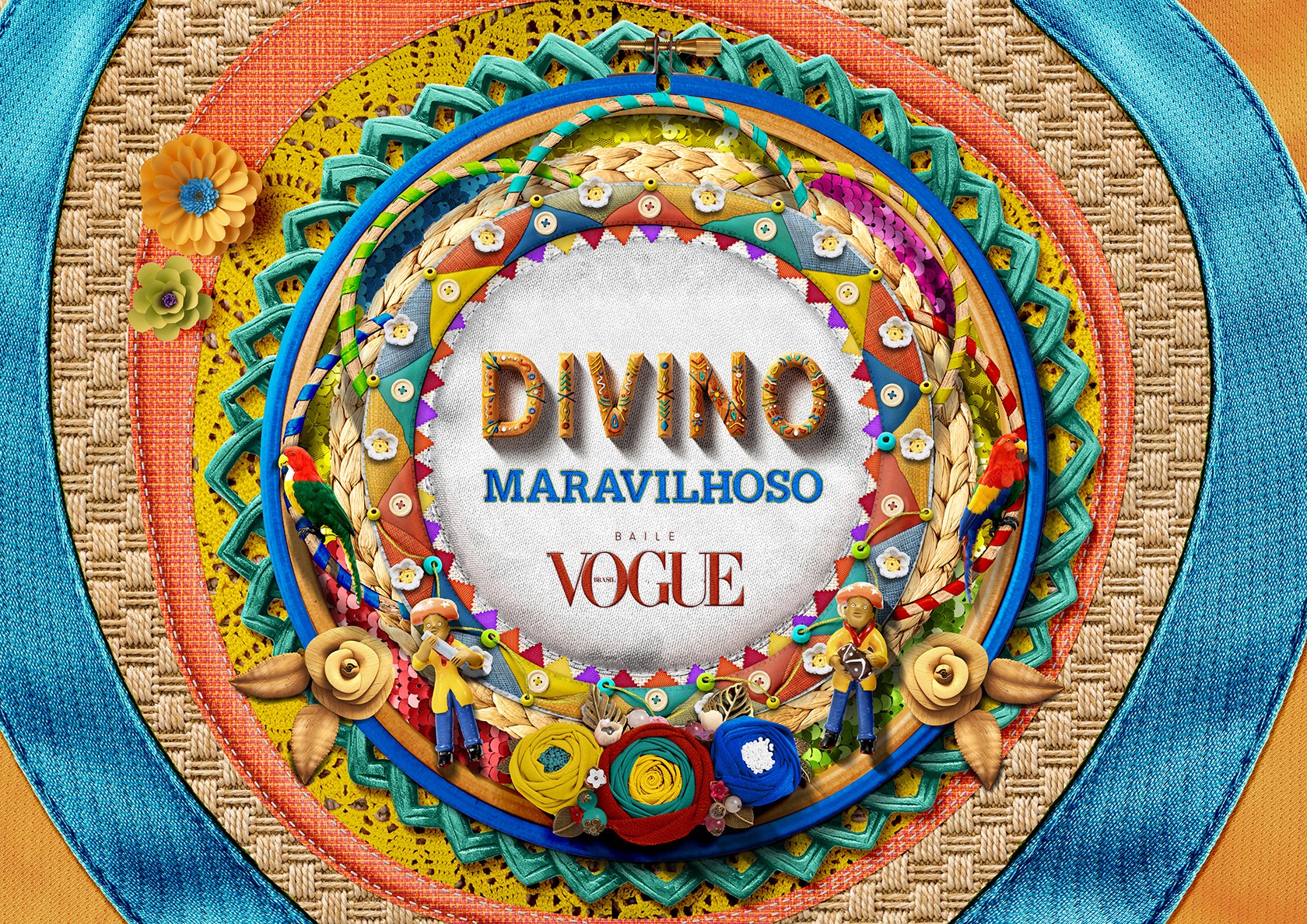
Portfolio note: The images from Gabriel Hernandes’ work will be attached below in the published version of this article, so readers can see how the briefing discipline translates into real campaign execution across Budwaiser, Lollapalooza, Adidas, Corona, and Sephora.